



Getting a U.S. Green Card isn’t always simple. For most people, the process starts through family, employment, or a special category, but figuring out where you fit can feel confusing at first.
In reality, getting permanent residency involves qualifying under the right category, filing the correct petitions, completing multiple steps, and understanding your responsibilities after approval—especially taxes. Once you receive your Green Card, you’re expected to report your worldwide income and maintain strong ties to the United States.
At The Law Office of Ghenadie Rusu, we regularly help individuals who feel overwhelmed by this process—and we guide them step-by-step toward a successful outcome.
What Is a U.S. Green Card?
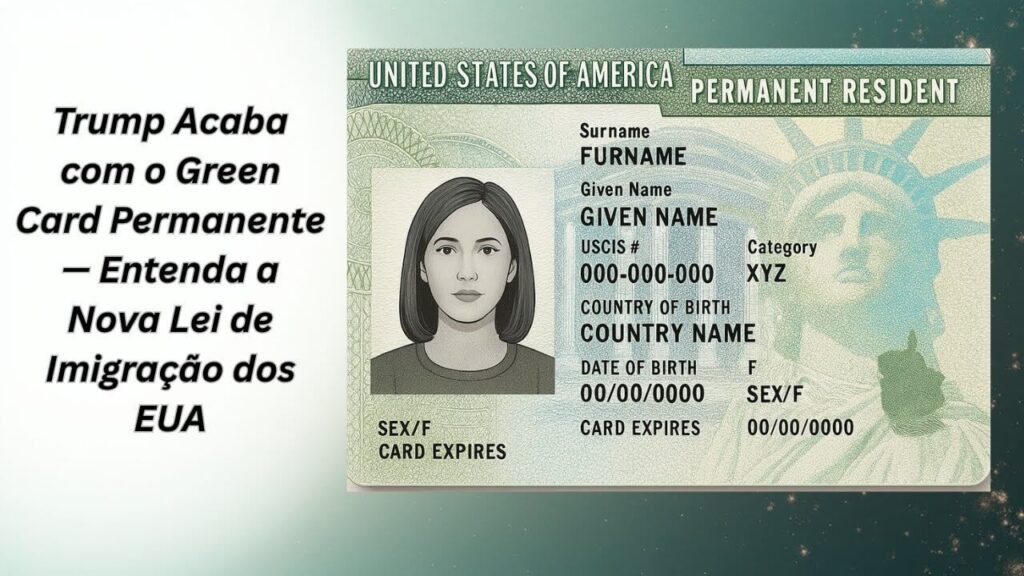
A Green Card allows you to live and work permanently in the United States. It also puts you on the path toward becoming a U.S. citizen.
If you’re trying to understand how everything fits together, this guide explains the full process:
How the U.S. immigration system works
Who Can Apply for a Green Card?
Family-Based Green Cards
This is one of the most common and fastest ways to get a Green Card.
You may qualify if you are:
- Married to a U.S. citizen
- The parent of a U.S. citizen
- An unmarried child under 21
These are considered immediate relatives, which usually means no long waiting periods.
Other family categories—like siblings or married children—often involve longer wait times due to visa limits.
If your case involves family sponsorship, speaking with an experienced professional NYC Family Lawyer can make a big difference.
Employment-Based Green Cards
Many applicants receive their Green Card through employment.
The main categories include:
- EB-1 for highly skilled individuals
- EB-2 for advanced degree professionals
- EB-3 for skilled or unskilled workers
These typically require employer sponsorship and labor certification.
Helpful resources:
EB-1 Visa Lawyer NYC
Investment & Special Categories
Some people qualify through alternative pathways such as:
- EB-5 investor program (starting at $800,000)
- Diversity Visa Lottery
- Humanitarian options
These include programs like:
Not every case is easy to solve and that is completely normal. Many clients come to The Law Office of Ghenadie Rusu with unique situations that require tailored strategies.
If you are unsure which category you qualify under, reach out to The Law Office of Ghenadie Rusu for clear, personalized guidance.
Step-by-Step Green Card Application Process
Step 1: File a Petition
Your sponsor starts the process:
- Family → Form I-130
- Employer → Form I-140
Step 2: Wait for Visa Availability
Not everyone can apply immediately. You must wait until your priority date becomes current. You can get more accurate and updated information from the official source: https://www.uscis.gov/green-card/green-card-eligibility-categories
Step 3: Apply for Your Green Card
- Inside the U.S. → File Form I-485
- Outside the U.S. → Consular processing
More details on costs are available here at this link: https://rusulaw.com/i-485-lawyer-fee-in-nyc/
Step 4: Biometrics & Interview
You’ll be required to:
- Submit fingerprints
- Complete a medical exam
- Attend an interview
This is often the most stressful stage—but proper preparation can make it much easier.
Avoid delays or mistakes—let The Law Office of Ghenadie Rusu guide you through every step with confidence.
What Are the Requirements?
To qualify, you generally need to:
- Fall under a valid immigration category
- Have an approved petition
- Enter the U.S. legally (in most cases)
- Pass background and medical checks
If there are complications, waivers may help. You can get information on 601 waiver as well.
Tax Rules for Green Card Holders
This is something many applicants don’t expect.
Once you receive your Green Card, you are considered a U.S. tax resident.
That means:
- You must report your worldwide income
- You must file annual tax returns
- You may need to report foreign bank accounts
You can confirm this through the IRS:
https://www.irs.gov/individuals/international-taxpayers/taxpayers-living-abroad
Important Note
Leaving the U.S. does not automatically end your tax obligations.
Unless you formally give up your Green Card, you may still be required to file taxes.
Immigration and taxes often go hand in hand—The Law Office of Ghenadie Rusu can help you handle both correctly. Contact them now!
How Long Does It Take to Get a Green Card?
Processing times vary depending on your category:
- Immediate relatives → 8 to 14 months
- Employment-based → 1 to 5+ years
- Family preference → several years
Planning early can help you avoid unnecessary delays.
Benefits of Having a Green Card
- Live permanently in the U.S.
- Work freely without restrictions
- Sponsor eligible family members
- Apply for citizenship later
When you’re ready, you can take the next step here:
https://rusulaw.com/laws/nyc-citizenship-lawyer/
Ready to start your journey? Contact The Law Office of Ghenadie Rusu today and move forward with confidence.
Final Thoughts
Getting a Green Card is a major milestone—but it doesn’t have to be overwhelming.
With the right guidance, the process becomes much clearer and more manageable. At The Law Office of Ghenadie Rusu, we help clients every day turn uncertainty into a solid plan.
If you’re serious about building your future in the United States, having the right legal support can make all the difference.
FAQs
What is the easiest way to get a U.S. Green Card?
For many people, marriage to a U.S. citizen is the fastest route.
What are the requirements for a Green Card?
You must qualify under a category, have an approved petition, and meet legal requirements.
How much money is required?
Costs vary widely. Some applications cost a few thousand dollars, while EB-5 requires significant investment.
Is it difficult to get a Green Card?
It can be complex, especially without proper legal guidance.
How long is a Green Card valid?
Typically 10 years, and it can be renewed.
Do Green Card holders pay taxes worldwide?
Yes, all global income must be reported.
Can I lose my Green Card?
Yes, especially if you stay outside the U.S. too long or violate immigration laws.